


Serum Foundation Fair Skin: How to Find Your Match
The short answer: match undertone before you match the shade name
For a serum foundation fair skin shoppers can wear confidently, start with more than the lightest shade in a collection. Start by matching your skin depth, then identify whether your undertone is cool, neutral, warm, or softly olive. A close match should blend into the jawline and neck without looking pink, yellow, gray, or noticeably brighter than the surrounding skin. Serum foundation can be a helpful choice when you want buildable coverage and a skin-like finish. But the right undertone matters more than the word fair on a label.
Explore Juice Beauty Phyto-Pigments makeup for fair-skin shade options
This guide explains how to read undertone clues, test a foundation, and choose a finish that works with your complexion. It also shows how to use the Juice Beauty Phyto-Pigments Flawless Serum Foundation as part of a simple, flexible makeup routine.
What does fair skin undertone mean?
Fair describes your skin's depth, or how light or deep your complexion appears. Undertone describes the subtle color beneath that surface. Two people can both have fair skin but need different foundation shades because one leans rosy and another leans golden or neutral.
Cool undertones
Cool undertones often look pink, rosy, or slightly red beneath the surface. A foundation that is too yellow can make cool fair skin look sallow. Look for a fair shade with a balanced rosy or neutral-cool cast, then test it against your jaw rather than relying on a wrist comparison.
Warm undertones
Warm undertones often have a soft yellow, golden, or peach cast. A very pink foundation may look disconnected from warm fair skin. A light shade with a golden or peach direction can look more seamless, especially when it is blended through the jawline.
Neutral undertones
Neutral undertones sit between cool and warm. They may look beige, balanced, or difficult to describe. If both distinctly pink and distinctly yellow shades look slightly off, a neutral option may be a better starting point. Neutral does not mean colorless. It means the visible balance between undertone families is less pronounced.
Olive undertones in fair skin
Some fair complexions have a muted olive cast, which can look slightly green, golden, or gray-beige. Very pink foundation may look too rosy, while bright yellow foundation may look too saturated. A muted neutral or olive-leaning shade can be worth testing when standard fair shades never quite disappear into the skin.
| Undertone | Common visual direction | Possible mismatch | Best test |
|---|---|---|---|
| Cool. | Rosy, pink, or red. | Shade looks yellow. | Test a balanced rosy or neutral-cool shade on the jaw. |
| Warm. | Golden, yellow, or peach. | Shade looks pink. | Test a soft golden or peach shade in daylight. |
| Neutral. | Balanced beige. | Both pink and yellow look strong. | Compare neutral shades with minimal visible cast. |
| Olive. | Muted green, gold, or gray-beige. | Shade looks too pink or orange. | Compare muted neutral shades at the jaw and neck. |
How can you find your undertone when fair skin is hard to match?
Undertone tests are useful starting points, not rules. Lighting, surface redness, recent sun exposure, and skincare can change how a shade appears. Use several clues, then let a jawline test make the final decision.
1. Look at more than your wrist
Wrist veins and jewelry tests can suggest a direction, but the wrist may not match the visible tone of your face and neck. If veins appear blue or purple, you may lean cool. If they appear green, you may lean warm. If you cannot tell, you may be neutral or olive. Treat this as a clue rather than a shade prescription.
2. Compare your face, neck, and chest
Surface redness can make the face appear cooler than the neck. Compare the overall tone of your face with the area where foundation will end. If your neck is lighter or deeper than your face, choose a shade that creates a smooth transition instead of matching only the center of the face.
3. Test in natural light
Indoor lighting can make a foundation appear more yellow, pink, or gray than it looks outdoors. Apply two or three close shades in narrow stripes from the lower cheek toward the jaw. Give them a moment to settle, then check them near a window. The shade that seems to vanish is usually closer than the shade that looks brightest or most flattering on the hand.
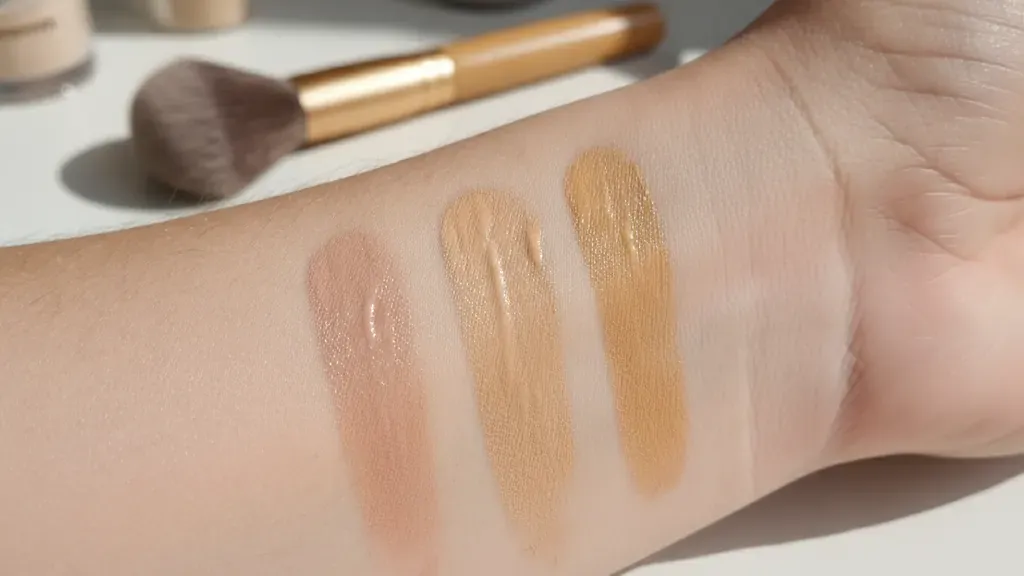
A shade can look slightly different after it dries. If a formula changes noticeably as it settles, compare the finished color with your neck and check the result in more than one light source. When possible, test a small area before committing to a full-face application.
How Serum Foundation Fair Skin Shoppers Can Compare Shades
The best shade is the one that matches both your depth and your undertone. Choose the correct family first, such as cool, neutral, warm, or olive. Then compare shades within the fair range. A lighter shade is not automatically a better match. And a darker shade is not always too deep if it has the right undertone and blends into your complexion.
- Choose a shade that disappears at the jawline, not one that looks brightest on your hand.
- Match the area where your base makeup ends, usually the jaw and upper neck.
- Use your natural skin tone as the reference, not temporary redness or a recent tan.
- Compare nearby shades side by side instead of testing one shade in isolation.
- Check the result in daylight before deciding whether the undertone is right.
Shade names are not standardized across brands. Terms such as fair, ivory, porcelain, beige, and buff can describe different depths and undertones. Read the undertone information when a brand provides it, but still verify the appearance on your own skin. For example, the Juice Beauty product page identifies the Buff shade as having a yellow undertone. That description is useful context, but your jawline test should make the final call.
When you are between two shades, consider the finish and coverage of the formula. A sheer layer may make a close shade look more forgiving, while a buildable medium-to-full formula gives you more control over the final depth. You can also use a lighter concealer only where you want brightness instead of choosing a foundation that is too light for your full face.
What should you look for in a serum foundation for fair skin?
A serum foundation should be evaluated by more than its name. Look at the coverage, finish, application method, shade range, and how the formula behaves after it settles. The goal is a base that supports your preferred makeup look without requiring excessive product.
Buildable coverage
Buildable coverage lets you start with a thin layer and add product only where you want more coverage. This can be useful for fair skin because applying too much base can make a shade mismatch more noticeable. A flexible formula lets you keep the center of the face polished while leaving more natural skin visible around the perimeter.
Finish and skin comfort
Choose a finish that fits your skin's appearance and your makeup preference. A luminous finish can complement a fresh, radiant look, while a more satin finish may feel easier to balance with powder. If your skin looks dry or textured, apply thin layers and avoid assuming that more coverage will create a smoother result.
Ingredients and brand standards
Read the ingredient list and consider the standards that matter to you. The Juice Beauty Phyto-Pigments collection is positioned as skin-first makeup with plant-based pigments and cruelty-free formulas. Its Flawless Serum Foundation uses the brand's SuperJuice Complex base and includes plant-derived ingredients described on the product page. Juice Beauty also identifies its formulas as vegan and uses the Phyto-Pigments name for its makeup line.
For a separate medical perspective on choosing and wearing foundation, you can review this foundation guide from Guangzhou United Family Hospital. If a product causes persistent irritation, stop using it and speak with a qualified healthcare professional.
Shop the Phyto-Pigments makeup collection to compare Juice Beauty foundation and complexion products
How do you apply serum foundation for a natural fair-skin finish?
Application can change how a shade looks almost as much as the shade itself. Start with a clean, comfortable base, use a small amount, and build slowly. Keep the edges sheer enough to blend into the neck and hairline.
- Prepare the skin. Apply your usual moisturizer and allow it to settle. If you use primer, apply a thin layer where you want makeup to smooth or grip.
- Shake the bottle. Juice Beauty directs users to shake the Phyto-Pigments Flawless Serum Foundation before use so the serum and foundation blend together.
- Place small amounts. Apply foundation to the forehead, nose, cheeks, and chin. Starting with less makes it easier to evaluate the shade and coverage.
- Blend from the center outward. Use a foundation brush or fingertips, then soften the product along the jawline. Add another thin layer only where you want more coverage.
- Check the finish. Look at the result in daylight. If the shade blends but the center feels too shiny, use a small amount of finishing powder only where needed.
- Complete the look. Add complexion color gradually. A cream blush or soft lip color can help the finished base look balanced without changing the foundation shade.
The Juice Beauty product routine pairs the Flawless Serum Foundation with the Phyto-Pigments Illuminating Primer and Last Looks Cream Blush. If you want a more hydrated finish, the product page also describes mixing the foundation with a few drops of Vinifera Replenishing Oil. Use that approach sparingly and test how the mixture wears before applying it everywhere. If you prefer lighter, color-correcting coverage with mineral zinc SPF, compare the options in Juice Beauty's CC cream collection.
Is serum foundation a good choice for mature or dry-looking skin?
It can be, especially when you prefer adjustable coverage and a more natural makeup look. The product's texture, your skin preparation, and the amount you apply all matter. A thin, well-blended layer is less likely to emphasize a visible line than a heavy layer applied all at once.
Juice Beauty describes the Phyto-Pigments Flawless Serum Foundation as suitable for all skin types, with buildable medium-to-full, long-lasting coverage. The brand also says it helps enhance skin tone and radiance and reduces the appearance of wrinkles and pores without settling into lines. These are product-specific descriptions, so use them as a guide to the formula rather than a promise that every complexion will respond the same way.
For dry-looking skin, focus on comfortable preparation and thin application. For mature-looking skin, compare the finish after several minutes and inspect areas around the eyes, nose, and mouth. If the base gathers, reduce the amount, smooth the area with a clean fingertip, and use less product on the next layer. Foundation should even the appearance of skin while allowing your natural features to remain visible.
Find your complexion routine in the Juice Beauty Phyto-Pigments collection
Frequently Asked Questions About Serum Foundation Fair Skin
What foundation shade is best for fair skin?
The best fair foundation shade matches your skin depth and undertone at the jawline. Look for cool, neutral, warm, or olive direction instead of choosing the lightest available shade. Test close options in natural light and compare the settled color with your neck.
Which is lighter, ivory or fair?
There is no universal answer because shade names differ between brands. Ivory may be lighter, warmer, or more neutral depending on the formula. Treat the name as a starting point, then compare the actual shade on your jaw and neck.
How do I know whether my fair skin is cool or warm?
Look for repeated clues rather than relying on one test. Rosy or pink tones can suggest cool, while yellow, golden, or peach tones can suggest warm. If neither direction is clear, compare neutral shades. A jawline test in daylight is more useful than a wrist test alone.
What is the best serum foundation for aging skin?
Look for a formula with the coverage, finish, and application flexibility you enjoy. A buildable serum foundation lets you begin with a thin layer and add coverage where needed. Juice Beauty describes its Flawless Serum Foundation as buildable medium-to-full coverage for all skin types and recommends applying it with a brush or fingertips.
Should fair mature skin wear matte or dewy foundation?
Either finish can work. Choose based on the look you want and how the foundation settles on your skin. A natural or softly radiant finish may suit people who want visible skin texture to look comfortable, while targeted powder can reduce shine without changing the full-face finish.
Can I use serum foundation with concealer?
Yes. Apply foundation first if you want to see how much coverage you need, then add a small amount of concealer to specific areas. For more guidance on choosing between the two products, read Juice Beauty's guide to concealer versus foundation.
Finding a serum foundation for fair skin is easier when you separate depth from undertone and test the finished shade where your makeup will end. Start with a close match, build coverage slowly, and let the formula support your natural-looking finish.