


What to Look for in Vegan Makeup Certifications Guide
What to look for in vegan makeup certifications starts with one simple check: identify the standard, confirm who verifies it, and read the complete ingredient list.
A vegan claim addresses animal-derived ingredients. It does not automatically confirm cruelty-free testing, organic sourcing, or a brand's complete ingredient policy. Those are separate questions, and each deserves its own evidence.
Explore the Phyto-Pigments makeup collection
What Does Vegan Makeup Mean, and What Does It Not Guarantee?
Vegan makeup is made without animal-derived ingredients. To evaluate the claim, look for a named vegan standard, verify the brand or product in the certifier's current directory, and review the full INCI list. Vegan does not automatically mean cruelty-free, organic, or clean.
Vegan makeup focuses on the formula. Common animal-derived cosmetic ingredients include beeswax, lanolin, carmine, collagen, and some silk-derived proteins. A brand may use plant-based alternatives, synthetic alternatives, or a combination of both.
The label does not answer every ethical or formulation question. It does not tell you whether the finished product or its ingredients were tested on animals. It does not establish how agricultural ingredients were grown. It also does not give one universal meaning to the word clean.
- Vegan: The formula contains no animal-derived ingredients.
- Cruelty-free: The claim concerns animal testing and supply-chain policies.
- Organic: The claim concerns the growing and handling of qualifying agricultural ingredients.
- Clean: The meaning depends on the brand's stated ingredient standards.
These distinctions matter in color cosmetics. A cruelty-free lipstick may still contain beeswax. A vegan foundation may still require separate review for animal-testing policies. A natural blush may contain carmine, which is derived from insects.
Plant-based can also be narrower than vegan. The phrase may describe a featured ingredient or a portion of the formula. Read the full ingredient list and ask the brand about any source that is unclear.
When researching what to look for in vegan makeup certifications, treat each claim as a specific promise. Match the evidence to the promise instead of assuming that one seal proves every standard at once.
What to Look for in Vegan Makeup Certifications
The best vegan makeup certifications name the standard, define its scope, and show how claims are verified. Check whether the credential covers ingredients, animal testing, or both. Confirm the brand or product in the certifier's current directory, then review the exact formula and shade before buying.
A useful certification connects a product claim to a defined standard and a verification process. It should give shoppers more than a reassuring phrase on a package or product page.
First, identify the organization behind the seal. A credible logo should have a name, a published standard, and a way to confirm participating brands or products. If the brand does not identify the organization, treat the claim as an internal statement rather than independent certification.
Second, check the scope. Some standards address ingredients. Others address animal testing. Some apply to a brand, while others apply only to selected products or shades. A certification can be meaningful without answering every question, as long as its boundaries are clear.
Third, confirm current status in the certifier's public directory when one is available. Logos can remain on older packaging after a product changes. A directory check can also reveal whether the certification covers the exact brand, product family, or shade you are considering.
For Juice Beauty, AVA Vegan is the relevant vegan credential documented in the brand's materials. Juice Beauty also holds Leaping Bunny certification, which addresses cruelty-free standards. These credentials answer different questions and should be evaluated separately.
Juice Beauty's own vegan certification explanation provides brand-specific context. For the cruelty-free question, the brand's Leaping Bunny information explains the meaning of that credential.
Juice Beauty documents EWG VERIFIED alongside AVA Vegan and Leaping Bunny in its clean beauty credentials. Review the current credential scope and ingredient list for the individual product.
A Practical Certification Checklist
- Find the certifier's name behind each logo.
- Read what the standard evaluates: ingredients, testing, sourcing, or another issue.
- Confirm the brand or product in the certifier's current directory.
- Check whether the credential applies to the whole brand, a line, or a specific product.
- Review the current INCI list for the exact shade or formula.
- Ask the brand about ambiguous ingredient sources before buying.
- Confirm the current scope of any EWG VERIFIED claim before relying on it.
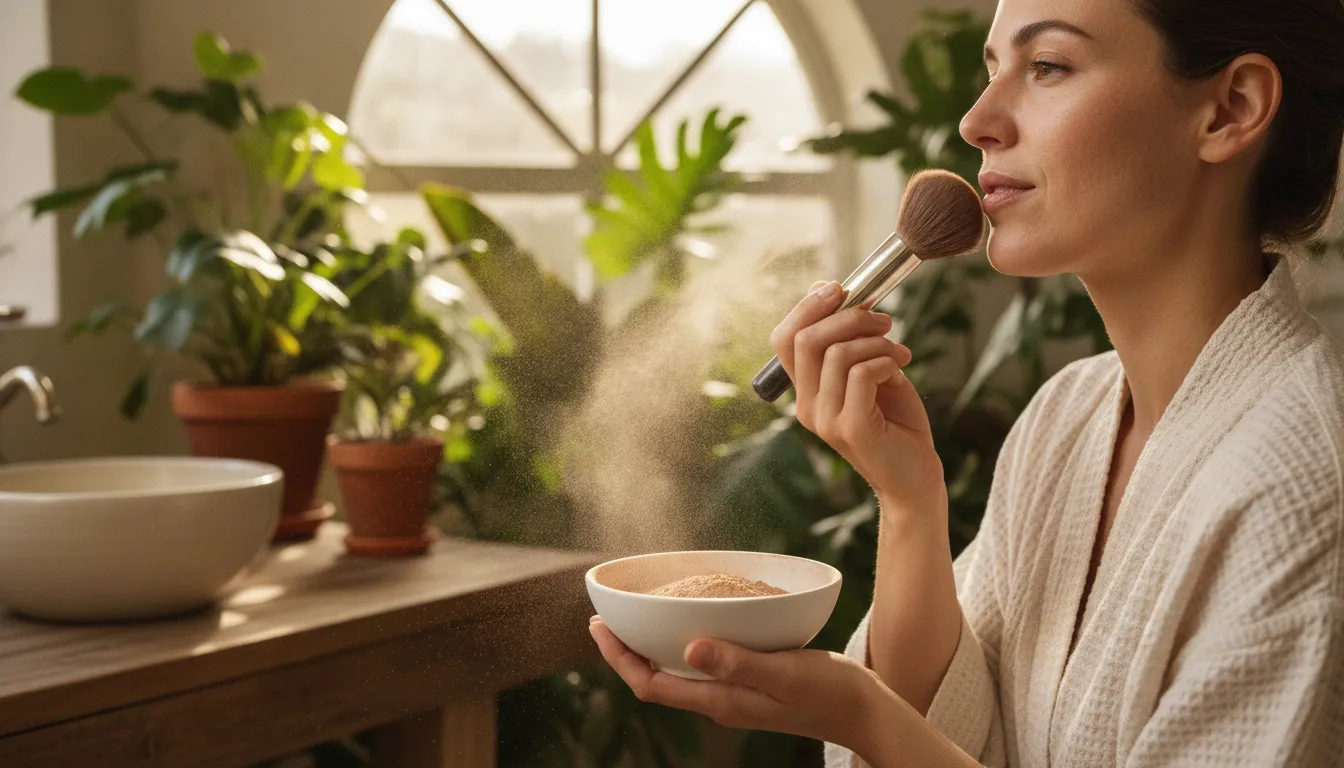
How Do You Read a Makeup INCI Label for Animal Derivatives?
Read the complete INCI list for the exact shade, scan for common animal-derived ingredients, and ask the brand about unclear sources. Check carmine, beeswax, lanolin, collagen, and silk-derived ingredients. Then verify cruelty-free testing separately, because an ingredient list alone does not answer that question.
A certification can make shopping easier, but the ingredient list helps you evaluate a specific formula. Use this process whenever a product uses vegan, plant-based, natural, or botanical language.
- Find the complete list. Check the product page, package, or brand website. Do not rely on a front-label claim alone.
- Scan for carmine. Carmine, cochineal, and carminic acid can identify insect-derived color. These ingredients may appear in red, pink, or berry makeup shades.
- Check waxes. Beeswax may appear as beeswax or cera alba. It is natural, but it is not vegan.
- Review conditioning ingredients. Lanolin comes from sheep's wool. Collagen may be animal-derived, and silk ingredients can appear under names such as hydrolyzed silk or silk amino acids.
- Investigate unclear sources. An INCI name may not reveal whether an ingredient is plant-derived, synthetic, or animal-derived. Ask the manufacturer for source information.
- Confirm the exact shade. Pigments and color additives can vary across shades in a makeup line. Do not assume that one shade's status applies to every shade.
- Separate vegan from cruelty-free. Verify ingredient status and animal-testing status as distinct claims.
Ingredient names are useful clues, but they do not always tell the whole sourcing story. A manufacturer can explain whether an ingredient is plant-derived, synthetic, or animal-derived. Ask about the exact formula, especially when a product has been reformulated.
For more help comparing beauty terminology, read Juice Beauty's guide to organic, clean, and natural beauty labels. The same principle applies here: specific definitions are more useful than broad front-label language.
Q: What should I do if an ingredient source is unclear?
A: Pause before buying and contact the brand. Ask whether the complete formula, including pigments, binders, and processing aids, contains animal-derived materials. Request confirmation for the exact product and shade.
Q: Does natural makeup automatically mean vegan?
A: No. Beeswax is natural but not vegan. A named vegan standard, a readable ingredient list, and a transparent brand response provide stronger evidence.
Why Do Ingredient Exclusions Matter in Color Cosmetics?
Ingredient exclusions matter because they show a brand's stated formulation boundaries, but they do not replace a vegan certification or a current INCI review. Use exclusions as context. Confirm the exact product and shade, then consider performance factors such as comfort, color payoff, and wear.
Ingredient exclusions show which materials a brand deliberately leaves out. They add context to a vegan claim, but they do not replace certification or an ingredient review.
Color cosmetics combine pigments, binders, emollients, preservatives, and texture agents. A vegan standard addresses animal-derived ingredients. It does not explain every formulation choice or guarantee a particular finish, wear time, or skin response.
Juice Beauty's current master line is The Organic Solution: Every Organic Drop Feeds Your Skin. Its formulation philosophy also emphasizes that what we leave out matters, too. The brand identifies more than 2,000 ingredients that it excludes from its formulations.
This exclusion approach is a brand standard, not a promise that every product suits every person. Shoppers should still read the complete ingredient list and consider individual sensitivities.
Juice Beauty also describes SuperJuice Complex as a base made with organic botanical juices. The brand positions this base as an alternative to traditional water or petroleum fillers. It is part of the company's formulation story, alongside its organic and vegan positioning.
In makeup, pigment choice is especially visible. The Phyto-Pigments line uses plant-derived pigments as part of its clean color approach. The relevant question is not whether a product sounds botanical. It is whether the product's current formula and supporting standards match your priorities.
Evaluate three layers together: the certification, the full INCI list, and the brand's explanation of its exclusions. Then consider color payoff, comfort, shade range, and wear. Ethical preferences and product performance do not need to be competing goals.
See plant-derived color in the Phyto-Pigments makeup collection
How Do Vegan, Cruelty-Free, Organic, and Clean Work Together?
Vegan, cruelty-free, organic, and clean describe different parts of a makeup product's story. Vegan addresses animal-derived ingredients. Cruelty-free addresses animal testing. Organic addresses qualifying agricultural ingredients. Clean describes a brand's stated ingredient framework, so verify each claim separately.
These terms describe different parts of a product story. A careful shopper checks each one instead of treating them as interchangeable.
| Standard | What it addresses | What to verify |
|---|---|---|
| Vegan | Whether the formula contains animal-derived ingredients. | Look for a named vegan standard and review the full INCI list. |
| Cruelty-free | Whether the product and supply chain avoid animal testing. | Look for an independent program such as Leaping Bunny. |
| Organic | How qualifying agricultural ingredients are grown and handled. | Check the certification and understand which ingredients it covers. |
| Clean | A brand's stated approach to ingredient selection. | Read the brand's exclusions and complete ingredient disclosures. |
Vegan status focuses on ingredients. Cruelty-free status focuses on animal testing. Organic status concerns qualifying agricultural ingredients. Clean describes a brand's chosen formulation framework, because the term does not have one universal definition.
When comparing testing language, read the relevant regulatory guidance and distinguish a brand's own statement from an independent certification. The certifier, scope, and current product disclosures should all be clear.
Organic claims require separate review because they address qualifying agricultural ingredients, not automatically the full vegan or cruelty-free standard. Check the certifier, scope, and current product disclosures before relying on the claim.
Juice Beauty brings documented organic, vegan, and cruelty-free positioning together through its Farm to Beauty model. Its ethical standards page provides additional brand context. Evaluate those claims alongside the product's current ingredients and shade information.
What Should You Ask Before Buying Vegan Makeup?
Before buying vegan makeup, verify the certifier, scope, complete INCI list, exact shade, and separate cruelty-free policy. Ask about any unclear ingredient source. Also check whether the brand's clean or exclusion standards are documented, and confirm that the information reflects the current formula.
A short set of questions can turn a vague label into a practical purchase decision.
- Who verifies the vegan claim?
- Does the certification cover the brand, product, or exact shade?
- Does the brand publish the full ingredient list?
- Are carmine, beeswax, lanolin, collagen, or silk-derived ingredients present?
- Are cruelty-free testing standards documented separately?
- Does the brand explain its clean or ingredient-exclusion policy?
- Has the formula changed since the packaging or review was published?
Answers should be specific enough to verify. If a brand responds only with broad language such as plant-based or natural, ask for the ingredient source and the relevant certification. If a product page lacks a complete INCI list, request it before purchase.
This method is helpful for shoppers who want clean, organic makeup with clear standards and visible performance. It also keeps the research proportionate. You do not need to investigate every ingredient in the same way when a recognized certification and full disclosure already answer the central question.
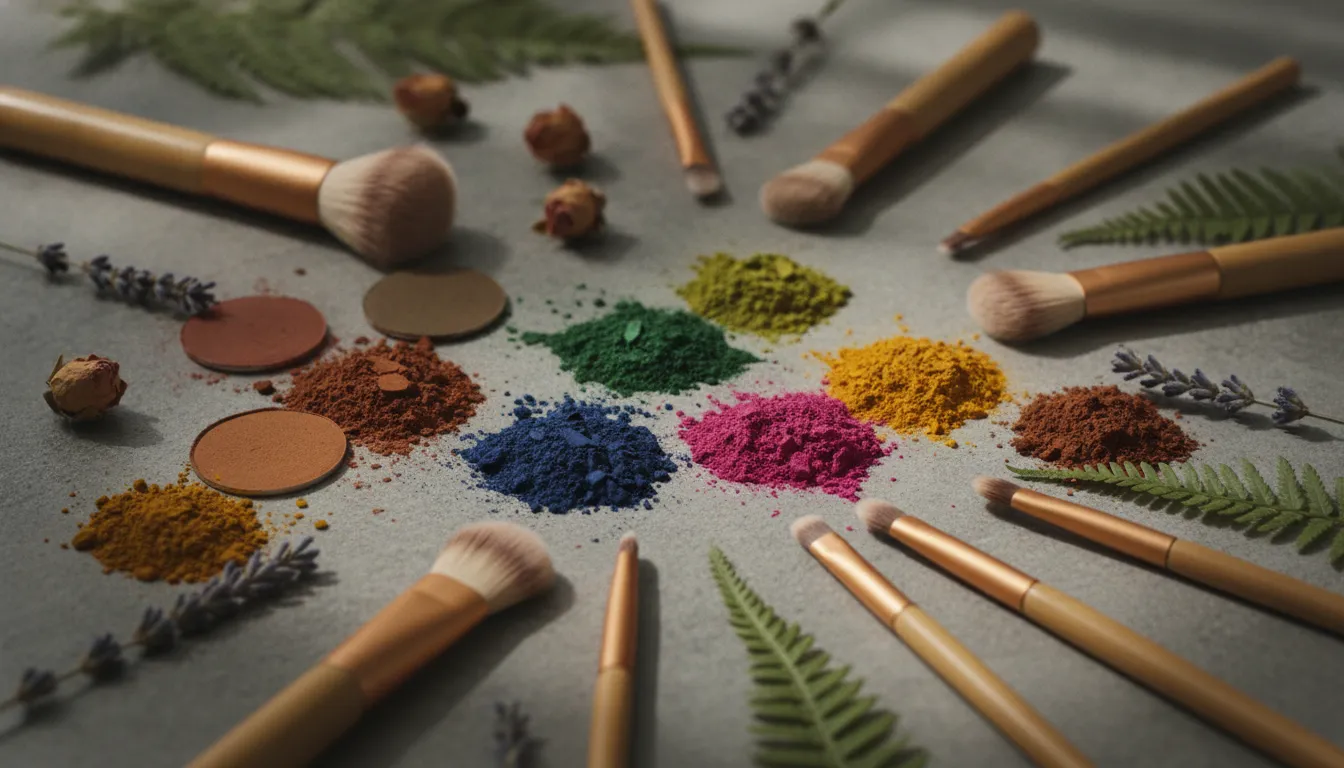
Shop Phyto-Pigments makeup with clear ingredient standards
Frequently Asked Questions
How Do You Know if Makeup Is Vegan?
Start with the full ingredient list, then look for a credible vegan certification or trademark. Check for animal-derived ingredients such as carmine, beeswax, lanolin, collagen, and silk-derived proteins. A plant-based label alone does not guarantee that every ingredient is vegan.
What Does a Vegan Makeup Certification Look Like?
Look for a recognizable certifier's name or trademark, then confirm the brand or product in the organization's current public directory. A logo is a starting point. The published standard and current listing provide stronger evidence.
Is Vegan Makeup Always Cruelty-Free?
No. Vegan describes ingredients, while cruelty-free describes animal-testing practices. A product can meet one standard without meeting the other. For stronger assurance, verify both claims separately.
What Is the Difference Between Vegan and Organic Makeup?
Vegan makeup excludes animal-derived ingredients. Organic makeup concerns how qualifying agricultural ingredients are grown and handled. Neither term automatically proves the other, so check each claim separately.
Does Juice Beauty Makeup Have Vegan and Cruelty-Free Standards?
Juice Beauty identifies its makeup as vegan and documents AVA Vegan and Leaping Bunny credentials. The Phyto-Pigments line uses plant-derived pigments. Review current product details and the ingredient list for the exact formula before purchasing.
What Does EWG VERIFIED Mean for Juice Beauty?
Juice Beauty includes EWG VERIFIED in its documented clean beauty credentials. Confirm the current product listing and credential scope, then review the ingredient list for the exact formula before purchasing.
Ready to Explore Makeup with Clear Standards?
Choosing makeup with transparent ingredient and certification information can help your routine reflect your values without giving up color or wear. Start with a named standard, verify its scope, and read the current ingredient list.