


Organic Moisturizer for Anti-Aging: What to Look For
Shopping for an organic moisturizer for anti-aging can feel deceptively simple. A jar may promise clean ingredients, rich hydration, or a more youthful-looking complexion, but the label does not tell you everything. The better approach is to evaluate the product's organic-content standard, formula design, skin concern fit, and evidence for the claims it makes. This guide explains how to read COPA language, where EWG Verified fits, and how to choose a moisturizer for dry, aging skin without confusing certification with marketing shorthand.
Explore Stem Cellular® anti-aging moisturizers and treatments
What Makes a Moisturizer Genuinely Anti-Aging Beyond the Label?
An effective organic moisturizer for anti-aging should address both visible dryness and the appearance of age-related changes. Look for a formula that replenishes moisture, supports a comfortable skin barrier, and pairs botanical antioxidants or other well-described actives with a clear use case. "Organic" describes sourcing, not a guaranteed result.
That distinction matters because dry skin can make fine lines look more noticeable. A moisturizer cannot erase time, but consistent hydration can make skin look softer, smoother, and more supple. The strongest product choice matches the concern you want to address rather than relying on a single front-label promise.
Start with four questions:
- Is the product intended for dry or aging skin?
- Does the ingredient list show emollients, humectants, or occlusives that suit your skin?
- Are the visible-results claims specific and supported by the brand's product information?
- Can you use it comfortably after your serum and before sunscreen in the morning?
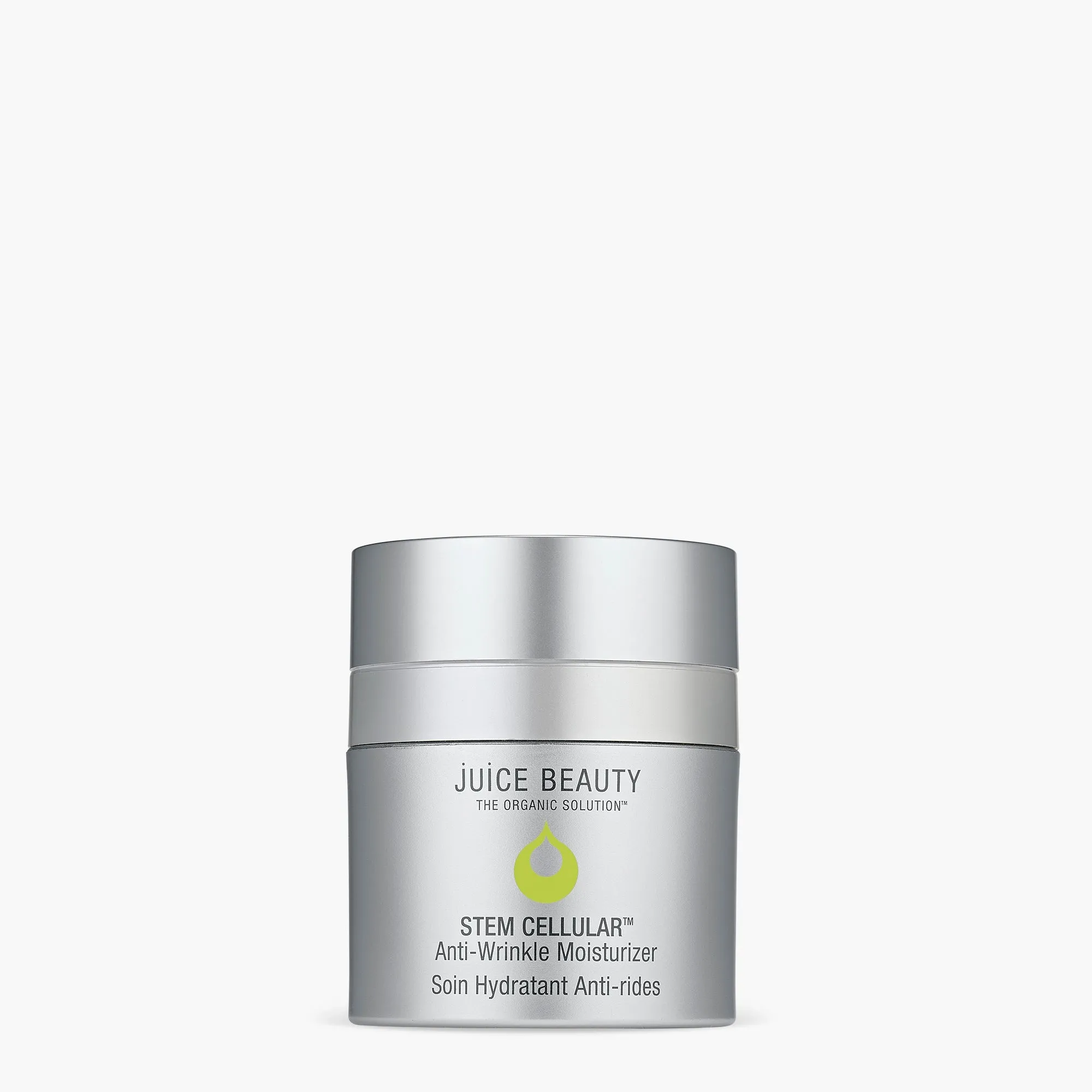
Juice Beauty's Stem Cellular® Anti-Wrinkle Moisturizer is described for fine lines, wrinkles, and dry, aging skin. Its product page says the formula is clinically tested to reduce the appearance of fine lines and wrinkles, hydrate skin, and improve the appearance of tone and radiance. Those are appearance claims, not a promise to change the structure of skin.
What Does COPA Mean for an Organic Anti-Aging Moisturizer?
The California Organic Products Act (COPA) is an organic-products standard. It is not a shortcut for every clean-beauty claim. California law says cosmetic products represented as organic or made with organic ingredients must contain at least 70 percent organically produced ingredients. Water and salt are excluded from the calculation. Read the exact claim and its scope.
Juice Beauty states that it complies with the California Organic Products Act. The brand says its product line meets the 70 percent organic-content standard, with an exception noted for Phyto-Pigments Mascara. For a moisturizer shopper, the brand's clean beauty credentials page is an important companion to the product page. You can also read the California Health and Safety Code language directly.
Use this quick checklist when you see COPA or organic language:
| What to check | What it tells you | Why it matters |
|---|---|---|
| Organic-content standard | Whether the claim has a defined threshold | It is more meaningful than an undefined natural claim |
| Calculation language | Which ingredients are included or excluded | Water and salt can affect how percentages are calculated |
| Product-specific details | Whether the claim applies to this formula | Line-level language should not replace product-level reading |
| Ingredient list | What is actually in the jar | It helps you screen for personal sensitivities and preferences |
For a broader explanation of how organic, clean, and natural labels differ, read Juice Beauty's organic versus clean beauty guide. It provides useful label context without replacing the product-specific checks above.
How Should You Read COPA and EWG Verified Claims Together?
COPA and EWG Verified answer different questions. COPA addresses an organic-content threshold under California law. EWG Verified is a separate program with ingredient, disclosure, manufacturing, and product-review criteria. A brand can discuss organic content without holding EWG Verified status. Never treat one mark as proof of the other.
EWG Verified is also not the same as a clinical efficacy claim. A product can meet a standards program and still need separate evidence for statements about fine lines, firmness, or radiance. Conversely, a clinically tested product should not be described as EWG Verified unless that status is confirmed for the specific product or brand.
For Juice Beauty, this article uses the confirmed COPA information above. It does not assert EWG Verified certification. Brand-specific EWG Verified language remains subject to Regulatory confirmation. Favorable EWG Skin Deep or Yuka ratings, when documented, are separate trust signals and should not be rewritten as certification.
When comparing two products, prioritize transparent language over the number of badges. Check the standard, exact product, current ingredient list, skin concern, and directions. That process helps you make a purchase decision without overreading a seal.
Explore the Stem Cellular anti-aging moisturizer collection
Can a Botanical Juice Base Support Dry, Aging Skin?
A botanical juice base can support a moisturizer's positioning when the brand identifies the ingredients and their role. Juice Beauty describes SuperJuice Complex™ as an antioxidant-rich base made with grape, apple, aloe, and lemon juices. That story helps explain the formula's design. It does not mean every juice base will suit every skin type.
The Stem Cellular® Anti-Wrinkle Moisturizer product page lists jojoba oil and shea butter for nourishment. It also lists plant stem cells for signs of aging and vitamin C for radiance. These ingredients play different roles. Oils and butters can soften dry skin, while humectants and water-binding ingredients help support hydration.
Compare the whole formula instead of choosing based on the first ingredient or a phrase such as water-first. A water-based product can be useful, and a botanical juice base is not automatically better for every person. The relevant question is whether the finished moisturizer feels comfortable, layers well, and fits your skin's needs.
If you are building a broader routine, the organic anti-aging skincare guide covers the larger category. This article stays narrower by focusing on how to assess the moisturizer step within that routine.
Which Ingredients Should You Look for in an Organic Anti-Aging Moisturizer?
The best ingredient list for an organic anti-aging moisturizer depends on your skin. A useful starting point includes hydration support, barrier-friendly emollients, antioxidants, and clearly described anti-aging actives. Choose a product whose texture and directions match your routine. Patch test when a formula is new to you.
- Humectants: ingredients that help attract and hold water at the skin's surface.
- Emollients: oils or lipids that help skin feel smoother and more comfortable.
- Occlusive support: ingredients that help reduce moisture loss, especially for dry skin.
- Antioxidant-rich botanicals: plant ingredients described for supporting a healthy-looking complexion.
- Vitamin C: a familiar ingredient for improving the appearance of radiance.
- Plant stem cells: a product-positioning term that should be paired with clear, non-absolute benefit language.
- Fragrance and essential oils: review these carefully if your skin is reactive or sensitive.
Juice Beauty's Stem Cellular® Anti-Wrinkle Moisturizer lists certified organic ingredients online. The list includes aloe, apple, grape, jojoba, sunflower, shea butter, evening primrose, linseed, and borage oils. Ingredient lists can change, so check the package you receive for the most current information.
How Do You Layer an Organic Moisturizer With a Serum?
Apply an organic moisturizer for anti-aging after cleansing and serum steps, when the moisturizer is designed to seal in a comfortable level of hydration. Use lighter, water-based products before richer creams, then finish with sunscreen in the morning. At night, follow the directions for any treatment product before moisturizing.
- Cleanse with a gentle product that leaves skin comfortable, not tight.
- Apply a serum or treatment to clean skin according to its directions.
- Give the serum a moment to settle if layering helps reduce pilling.
- Apply moisturizer to the face, neck, and decolletage if the product directions support those areas.
- Use broad-spectrum sunscreen in the morning as the final skincare step.
Juice Beauty's product directions place the Anti-Wrinkle Moisturizer after the Anti-Wrinkle Booster Serum. They direct application to the face, neck, and decolletage. If you also use retinol, follow that product's directions and introduce changes gradually. Irritation is a reason to simplify the routine, not to apply more product.
Shop the Stem Cellular® lines and wrinkles collection
Frequently Asked Questions
What is the best organic moisturizer for anti-aging?
The best option is one that matches your skin's dryness, texture, and sensitivity needs while making specific, supportable claims. Look for transparent organic-content language, a complete ingredient list, and directions that fit your routine.
Is COPA the same as organic certification?
COPA is California's organic-products standard. It sets an organic-content threshold for cosmetic products represented as organic or made with organic ingredients. Read the brand's product and standards pages to understand how the claim applies.
Does Juice Beauty have COPA-compliant moisturizers?
Juice Beauty states that it complies with COPA and that its product line meets the 70 percent organic-content standard, with a stated exception for Phyto-Pigments Mascara. The Anti-Wrinkle Moisturizer is part of the Stem Cellular® line, and its product page provides the current formula information.
Is Juice Beauty EWG Verified?
Do not assume EWG Verified certification from Juice Beauty's COPA or clean-beauty claims. Brand-specific EWG Verified language remains subject to Regulatory confirmation, so check current approved brand communications before treating it as a certification.
Can I use an anti-aging moisturizer on dry skin?
Many anti-aging moisturizers are designed for dry or aging skin, but comfort and compatibility still depend on the individual formula. Start with the product directions, review the ingredient list, and patch test when appropriate.
Find an organic anti-aging moisturizer for your routine
The most useful moisturizer is not the one with the longest list of badges. It is the one with a clear standard, a formula that suits your skin, and claims you can evaluate honestly. For shoppers comparing organic anti-aging options, COPA context is a practical starting point, while hydration, ingredient transparency, and consistent use determine whether the product fits your routine.